 English

Reading Time: 5 minutes
Fluorinated coatings have been widely used on textiles and nonwoven fabrics due to their excellent water and oil repellent properties. However, polymeric coatings now offer similar performance while addressing current market needs.
Our innovative polymeric coating technology offers a new product with effective performance. It enhances durability, water resistance and functionality across a wide range of applications, including industrial fabrics, upholstery, automotive and marine textiles, medical nonwovens and filters.
Some of FibraLAST® coatings were developed by AGC in collaboration with DRYFIBER LLC. They are the industry’s first non-fluorinated oil and water repellent coatings designed for nonwoven fabrics and technical textiles.
What are FibraLAST® coatings?
FibraLAST coatings are the industry’s first non-fluorinated coatings designed to deliver exceptional oil and water repellency for both woven and nonwoven industrial fabrics and technical textiles. They are formulated from plant-derived components and contain no silicones or heavy metals.
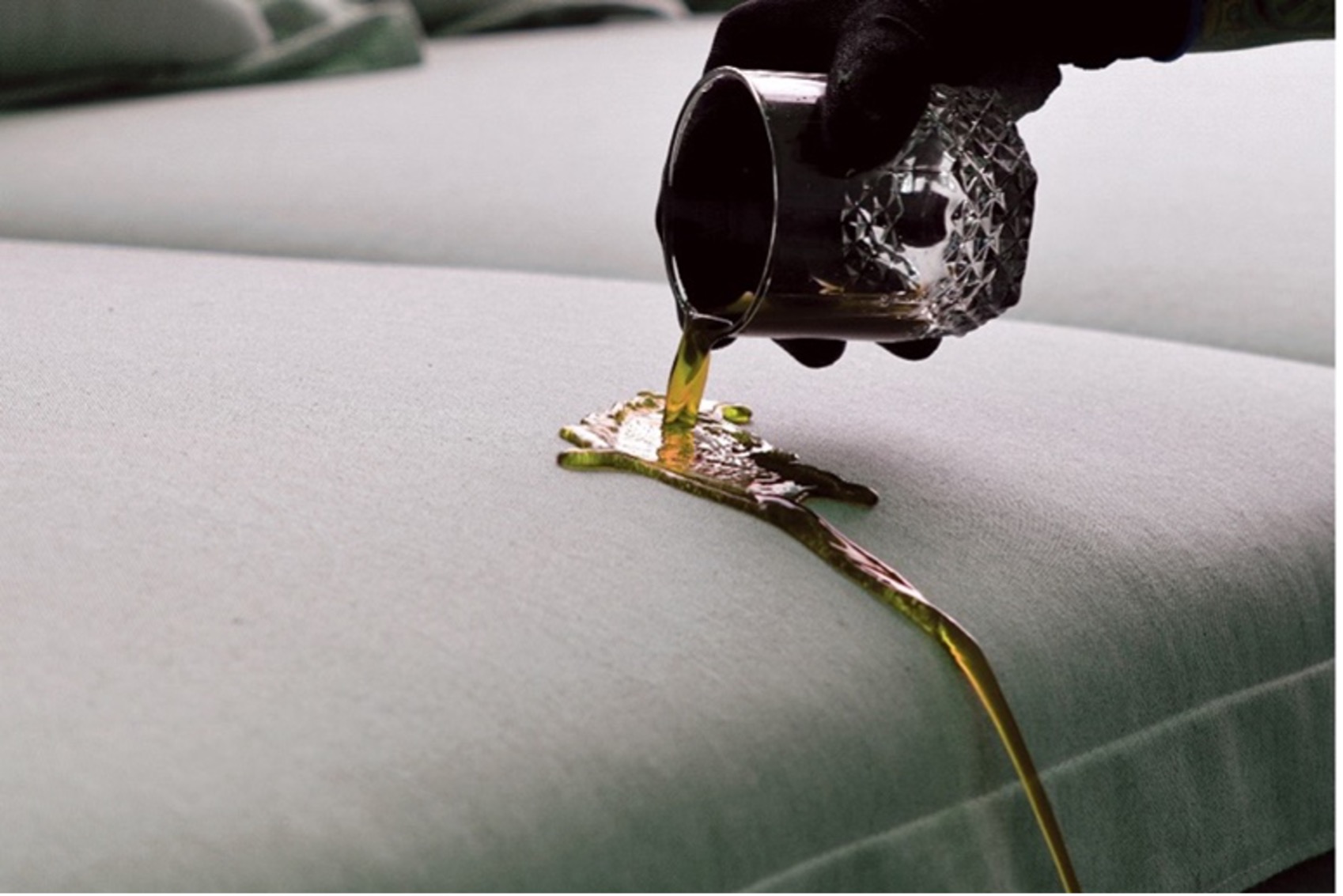
When applied as a thin polymeric coating to technical textiles and non-woven fabrics, they form a microscopically rough surface that acts as a chemical barrier. The coatings repel oil-based stains and fluids, including bodily fluids, causing them to bead up for easy cleaning while preserving the fabric’s natural breathability.
What formulation options are available?
FibraLAST coatings are available in both cationic and non-ionically stabilized polymer formulations, making them versatile for different manufacturing processes. They form a thin but durable layer that not only boosts water and stain resistance but also maintains flexibility and long-term performance.
Some formulations add hydrophilic properties, making it easier to clean and release stains from textile surfaces. Standard formulations are readily available, and custom solutions can be developed to meet textile challenges.

Performance advantages of FibraLAST coatings
FibraLAST polymeric coatings deliver a powerful combination of performance, durability, and sustainability for woven and nonwoven industrial fabrics and technical textiles. Key benefits include:
- Non-fluorinated: Compliant with modern regulations.
- Versatile application: Can be applied by dipping, industrial spray-coating, or padding to suit different manufacturing processes.
- Effective barrier against liquids: Forms a thin polymer layer on fabrics that acts as an effective barrier against water, oil and other stains.
- Durable performance: Retains repellency and mechanical integrity even with repeated use and environmental exposure, ensuring long-lasting protection.
How do FibraLAST coatings compare with other non-fluorinated coatings?
Many non-fluorinated coatings can provide some level of water or stain repellency for textiles. However, only FibraLAST polymeric coatings consistently deliver effective repellency against both oil and water on woven and nonwoven fabrics.
For example, while silicone and urethane coatings may perform well against water, they offer limited oil repellency. They often require thicker layers to match the protection provided by FibraLAST coatings, which can affect the fabric’s breathability, flexibility and drape.
Silicone Coatings
Silicone coatings are commonly used in technical textiles due to their excellent water resistance and UV stability. Made from silicone polymers, these coatings are usually white or light-colored to reflect sunlight and provide high solar reflectivity. While silicone coatings are flexible and highly durable, they can be challenging to bond or laminate.
In comparison, FibraLAST coatings offer:
- Easier bonding and lamination
- Breathable (depending on formulation)
- Good abrasion, UV and weather resistance
- Strong durability without requiring thick coating layers
Urethane Coatings
Urethane coatings, based on polyurethane chemistry, are known for their toughness, chemical resistance and strong adhesion. They are available in both clear and pigmented options and can be applied using a brush, roller or spray. However, they require precise conditions for curing and are prone to yellowing and degradation under prolonged UV exposure. In addition, urethane coatings require controlled curing conditions to perform effectively.
In contrast, FibraLAST coatings offer:
- Excellent flexibility and crack-bridging performance
- Strong UV and weather resistance
- Application via roller or spray, producing a thick, elastic membrane-like finish
- Durable repellency without heavy coating buildup
The following chart highlights how FibraLAST coatings outperform conventional coatings across key performance measures.

Watch this video that compares the FibraLAST TLF-604 grade with other coatings.
How are FibraLAST coatings applied?
These polymeric coatings are specifically designed for wet-end processes and can be applied to finished end products using two primary techniques, eliminating the need for additional equipment or post-manufacturing treatments.
- Dip Coating: The fabric is submerged in a solution containing the additive, ensuring thorough and uniform coating penetration.
- Industrial Spray Coating: The coating is evenly applied to the textile surface using a controlled spray process.
Both application methods ensure consistent distribution of the coating, which is essential for maintaining uniform waterproofing and providing protection against UV exposure, chemical degradation and corrosion.
What are the primary textile applications for FibraLAST coatings?
By applying a thin, microscopically rough polymer layer to finished products, FibraLAST coatings help fabrics repel water, oils, and stains while keeping their mechanical strength. This not only extends the life of the fabric but also helps it meet strict safety, regulatory, and performance standards.
The versatility of FibraLAST coatings makes them suitable for a wide range of industrial products, including:
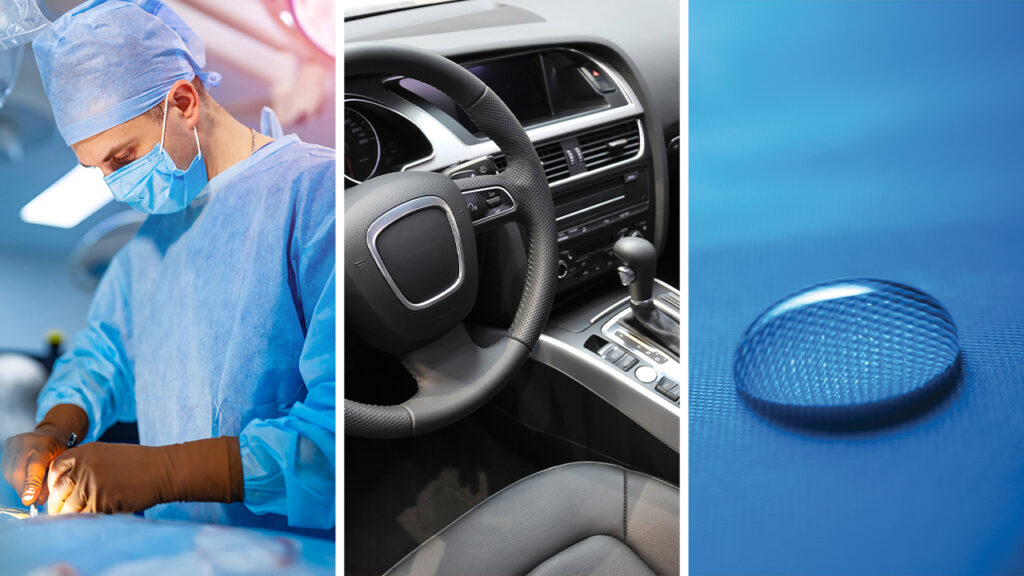
- Industrial fabrics: Provides long-lasting water and oil repellency for conveyor belts, protective coverings, and other high-performance industrial textiles.
- Automotive textiles: Enhances the durability and cleanability of seat fabrics and nonwoven liners.

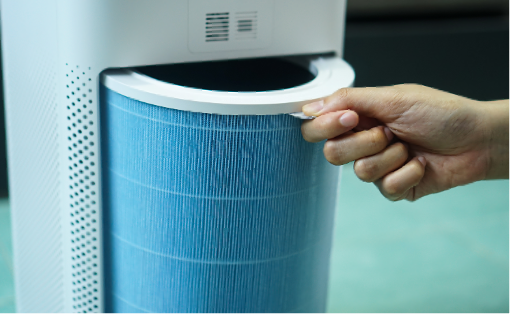
- Filtration products: Improves resistance to liquids and chemicals, helping filters perform longer and more efficiently.
- Architectural fabrics and outdoor covers: Protects tents, awnings, canopies, and shade structures from water, oil, and environmental wear.
- Filtration products: Improves resistance to liquids and chemicals, helping filters perform longer and more efficiently.
- Architectural fabrics and outdoor covers: Protects tents, awnings, canopies, and shade structures from water, oil, and environmental wear.
- Disposable medical products: Offers water and fluid repellency for gowns, drapes, and protective barriers without compromising breathability.
- Marine textiles: Improves resistance to saltwater, oils, and environmental wear for boat covers, sails, and marine upholstery.
- Uniforms and protective clothing: Improves stain and liquid repellency while keeping fabrics comfortable and flexible.
For industrial woven and nonwoven products where durability, performance, and sustainability are vital, FibraLAST polymeric coatings are a game-changer. By delivering superior oil and water repellency, they help materials stay cleaner, last longer, and perform reliably under demanding conditions.