 English

Reading Time: 4 minutes
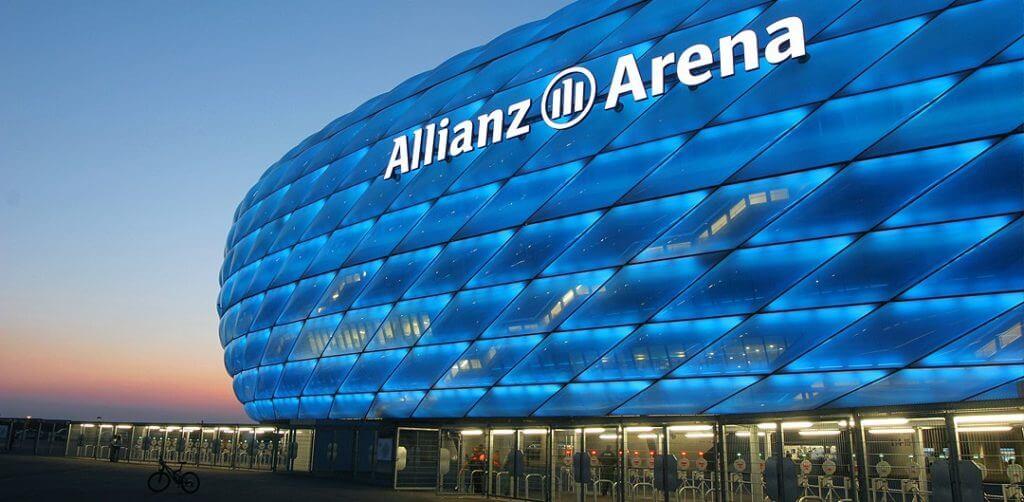
Architects recognize ETFE film products as a high-performance building material for membrane structures, facades, and roofing systems. It enables the creation of moveable, semi-transparent shell structures that are dramatic, colorful, and brilliantly illuminated from within. That’s why ETFE film products are increasingly used in some of the world’s most innovative architectural and stadium designs.
In addition to their visual impact, ETFE film products offer significant environmental and energy-efficiency advantages. Compared to traditional glass systems, ETFE film can improve energy efficiency, provide superior light transmission, and support LEED (Leadership in Energy and Environmental Design) certification goals for sustainable construction projects. LEED evaluates buildings based on energy performance, emissions reduction, water conservation, and indoor environmental quality.
What Are ETFE Film Products?
ETFE film products are lightweight fluoropolymer films used in modern architecture for roofing systems, tensile structures, facades, and transparent building envelopes. ETFE (ethylene tetrafluoroethylene) is known for its:
- High light transmission
- Lightweight construction
- Weather resistance
- UV resistance
- Long-term durability
- Thermal insulation performance
Because ETFE film weighs significantly less than glass, architects and engineers can create large-span structures with reduced steel requirements and improved structural efficiency.
ETFE Film Products are More Efficient than Glass
LEED, or Leadership in Energy and Environmental Design from the U.S. Green Building Council, rates buildings on environmental criteria. These measures include energy savings, emissions reduction, water efficiency and indoor environmental quality. ETFE film is safer and lighter in weight than glass, requiring less structural support. As a result, buildings using ETFE film products often need less steel and fewer heavy construction materials.
Builders can potentially reduce energy costs by up to 30% compared to glass because ETFE film allows:
- Light transmission greater than 90%
- High heat retention
- Increased natural daylight
These performance benefits make ETFE film ideal for sustainable architecture, sports venues, transportation hubs, atriums, and large public structures
Interior Climate Control with ETFE Products
Architects can select different ETFE film types and surface treatments to regulate the amount of light and heat entering a structure. This flexibility improves interior climate control while helping reduce operating costs.
ETFE film products:
- Maximize natural daylight with full-spectrum transmission
- Reduce heating and electric lighting costs
- Reflect solar heat with frit print options, reducing air conditioning loads
- Support natural ventilation strategies in large public venues
Architectural Projects Featuring ETFE Film Products
The following innovative structures utilize ETFE film in their roofing systems for greater climate control, transparency, and durability.
SoFi Stadium, Inglewood, CA
SoFi Stadium, home to the Los Angeles Chargers and Los Angeles Rams, features open sides and three venues beneath a single fixed roof. With a roof area of 75,000 m2, it is the world’s largest stadium to incorporate an ETFE roof system. Designed by HKS Architects, the iconic translucent ETFE roof creates a comfortable indoor environment by protecting fans from weather conditions while allowing natural daylight to enter the venue. The lightweight fluoropolymer film also offers long-term durability and reduced structural steel requirements.
Intuit Dome, Inglewood, CA
Intuit Dome, home of the Los Angeles Clippers, highlights ETFE film as part of its advanced architectural design. Beyond creating a striking visual appearance, the ETFE roofing system maintains a comfortable indoor environment for fans attending games, concerts, and entertainment events.
The arena’s unique roof structure combines approximately 11,400 square feet of ETFE panels with 228,700 square feet of PTFE panels, supported by a 2,800-ton steel diagrid shell designed to resemble a basketball net.
Configured in a diamond-shaped lattice pattern, the PTFE and ETFE panels work together to control sunlight, reduce glare, promote airflow, and provide protection from the elements. ETFE panels are placed in more transparent areas of the roof to bring in natural daylight, helping reduce reliance on artificial lighting while supporting natural ventilation and overall sustainability goals.
Nu Stadium, Miami, FL
Nu Stadium is a climate-responsive soccer venue that incorporates ETFE film into its lightweight roof system. Developed as the home of Inter Miami CF, the stadium combines structural efficiency with enhanced fan comfort and visual openness.
Its cable-supported “spoked-wheel” roof system is the first stadium roof of its kind in the United States.
The ETFE film panels soften and diffuse daylight into the concourse and seating areas while providing protection from intense sunlight and rain. Because ETFE film is extremely lightweight, it reduces stress on the long-span cable roof structure and improves overall design efficiency.
The open-sided roof design also promotes natural airflow and ventilation, minimizing the need for enclosed, air-conditioned spaces while keeping spectators comfortable
Khan Shatry Entertainment Center, Astana Kazakhstan
The Khan Shatyr Entertainment Center uses ETFE as the primary material for its iconic tensile roof structure. The translucent ETFE roof helps maintain a comfortable environment for the center’s indoor park, retail shops, restaurants, theatres, exhibition space, and water park despite the region’s extreme climate conditions. This is especially important in Astana, where outdoor temperatures can dip as low as -31°F during the winter and climb to 95°F in the summer.
The ETFE membrane is stretched over a network of steel cables to form the building’s dramatic sloped silhouette. Its lightweight properties allowed architects to create the expansive structure with less structural support while allowing natural daylight to filter deep into the interior spaces.
Why Architects Choose ETFE Film Products
Architects and engineers continue to specify ETFE film products because they combine:
- Lightweight structural performance
- Sustainability benefits
- High transparency
- Long-term durability
- Energy efficiency
- Design flexibility
- Reduced material usage
These advantages make ETFE film an increasingly popular alternative to glass in modern architectural applications.
Learn more about architecture using Fluon ETFE Film.