 English

Reading Time: 5 minutes
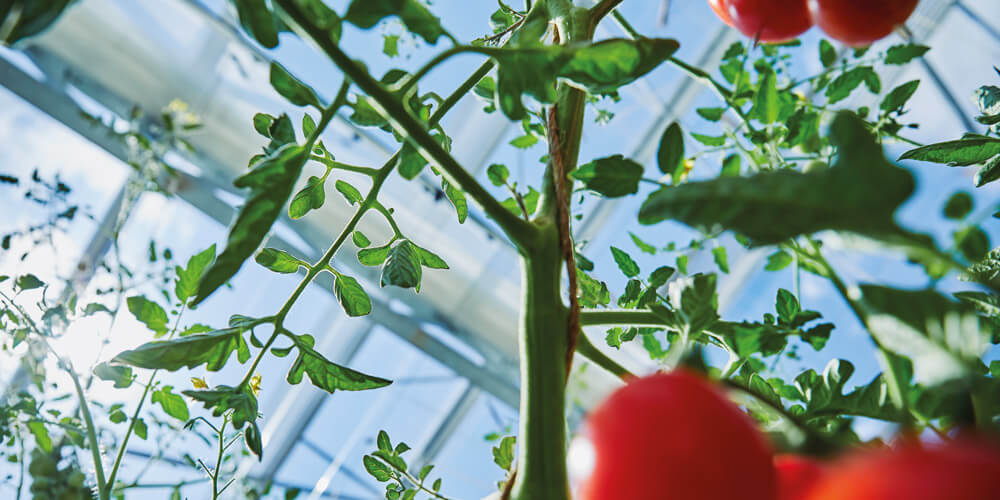
The horticultural industry is growing, with U.S. operations reaching $18.3 billion in sales in 2024. Key areas such as nursery stock, bedding plants and protected food crops have seen significant gains since 2019. As demand rises, growers are using modern production systems and greenhouse technologies, including ETFE greenhouse film, to keep up.
Greenhouses are important in horticulture because they allow growers to control the environment for their crops. By managing temperature, light and other conditions, growers can support healthy plants and consistent production. As more growers invest in new or upgraded greenhouses to boost productivity and extend growing seasons, the durability and performance of greenhouse coverings become major considerations.
ETFE greenhouse film is well suited to the industry’s growing focus on higher productivity, labor efficiency and long-term greenhouse investment. Compared with traditional greenhouse coverings, ETFE greenhouse film offers performance advantages that can help growers create better growing conditions, reduce maintenance and maximize the potential return on their investment.
What is F-CLEAN ETFE Greenhouse Film?
F-CLEAN ETFE greenhouse film is is a fluoropolymer-based greenhouse covering material that has been used worldwide for many years. Lightweight yet durable, ETFE offers excellent light transmission and can allow significantly more UV light to pass through than glass and other traditional greenhouse coverings, including polyethylene, polycarbonate and acrylic glazing.
These properties make F-CLEAN greenhouse film a high-performance option for modern greenhouse applications. Depending on product grade and application, it can provide up to 94% light transmission, helping growers maximize available sunlight for crop production and quality.
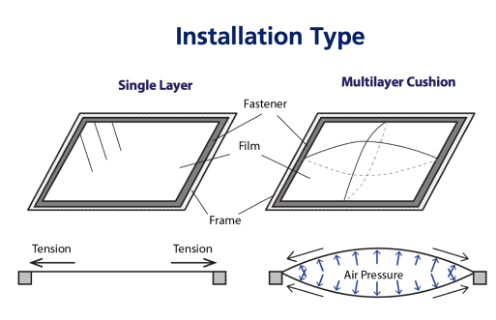
Because it is lightweight yet strong, the film requires a different structural support system than glass. Double layers of film can be tensioned to help retain heat, which can reduce energy costs while still providing high light transmission. It is also nonflammable, self-extinguishing and tested to fire safety standard DIN 4102, Class B-1.
How Does ETFE Greenhouse Film Reduce Cleaning and Maintenance?
F-CLEAN ETFE greenhouse film is designed to stay clean even after years of exposure to sun, rain and snow. Its low surface energy helps water roll off the surface and prevents contaminants such as dirt, chemicals, mold and bacteria from easily sticking to the film. When cleaning is necessary, the smooth, nonstick surface makes debris easier to remove, helping reduce maintenance time and costs.
On the inside, an anti-drip treatment can help reduce condensation dripping onto plants while minimizing unwanted reflection of sunlight.
How Durable is ETFE Greenhouse Film?
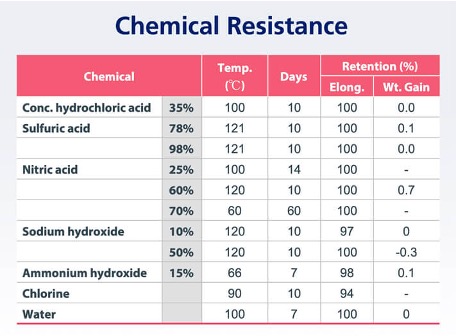
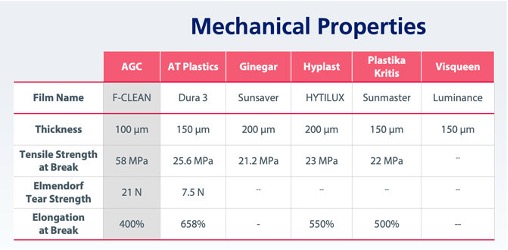
ETFE greenhouse film has superior mechanical properties compared with many other covering materials. It exhibits high tensile and tear strength with minimal effects of aging. In many environments, it can have a service life of more than 30 years, making it a long-term option for greenhouse coverings.
The film also performs well across a wide temperature range, from -100 to 180 degrees C. For added performance, an anti-drip coating can be applied to one side of the film to help reduce condensation dripping and minimize unwanted reflection of sunlight.
What are the performance advantages of ETFE greenhouse film?
ETFE greenhouse film offers a combination of performance and durability benefits that can help growers get more value from their greenhouse investment. Key advantages include:
- Higher light and UV transmission compared with glass, polyethylene or polycarbonate
- Broad-spectrum solar light transmission to support crop growth
- Long service life, with some ETFE films lasting 25 years without showing signs of deterioration
- Excellent light transmission during low sunlight periods
- Non-stick surface repels dirt and other contaminants
- Easy shedding of snow and ice, allowing more light to reach crops
- Naturally clean surface that reduces frequent cleanin
 g
g - Lower maintenance requirements, saving time and labor costs
- Recyclable at the end of its service life
- Strong resistance to aging, weakening and discoloration
- Self-extinguishing properties, with F-CLEAN products tested to fire safety standard DIN 4102, Class B-1
How can ETFE film support crop production?
F-CLEAN ETFE greenhouse film can help growers create a more consistent and optimized growing environment that supports:
- Higher production rates
- Earlier flowering and blooms
- More vibrant, colorful petals
- Sweeter, higher-quality fruit
- Improved vegetable quality
- More consistent crop growth and quality
Advantages of ETFE versus other greenhouse coverings
- Higher production yields
- Earlier blooms
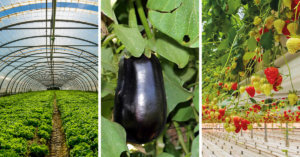
- More colorful petals
- Sweeter fruit
- Better-quality vegetables
Retrofitting greenhouse structures with lightweight ETFE film improves plant growth and reduces energy and maintenance costs. AGC offers F-CLEAN brand ETFE film in various thicknesses from 60µm (2.4 mil) to 100µm (4 mil). It is available in several grade options.
What F-CLEAN ETFE Greenhouse film grades are available?
ETFE greenhouse film is available in different thicknesses and grades, giving growers the flexibility to choose a covering based on crop, climate and growing goals. Options can be selected to diffuse light, reduce UV transmission or significantly limit visible light.
- F-CLEAN Clear (60µm, UV-Open) admits the full spectrums of sunlight through the covering, providing the same light conditions as outside the greenhouse.
- F-CLEAN Diffused Series (60µm, UV-Open) provides highly diffused sunlight evenly while maintaining high light transmission. This eliminates shadows and diffuses light intensity.
- F-CLEAN GR series reduces the percentage of ultraviolet light admitted through the covering.
- F-CLEAN Grey (100µm) significantly filters visible light – up to 99% – to provide a cool environment in hot weather.
- F-CLEAN Soft Shine (100µm) enables light transmission of about 14% while simultaneously blocking heat energy from solar light to prevent temperature build-up inside.
Where is ETFE greenhouse film used?
ETFE greenhouse film can be used across a wide range of horticultural and agricultural applications. Its combination of light transmission, durability and flexibility makes it a good fit for growers producing both traditional and specialty crops, including:
- Crops requiring anthocyanins like aubergines (eggplants), berries, black rice, black soybeans and strawberries
- High-quality and high-value crops, including flowering plants and other specialty crops
- F-CLEAN options include clear, diffused, UV-reducing, grey and Soft Shine grades designed for different light and heat-management goals.
For growers looking to upgrade existing greenhouses or build new structures, lightweight ETFE greenhouse film offers an opportunity to optimize growing conditions while reducing energy use and maintenance costs. Learn more about the technology, available grades and greenhouse applications in the F-CLEAN Brochure or contact an AGC representative.
Frequently Asked Questions About ETFE Greenhouse Film
Are different ETFE greenhouse film grades available?
Yes. F-CLEAN options include clear, diffused, UV-reducing, grey and Soft Shine grades designed for different light- and heat-management goals.
Can ETFE greenhouse film help reduce greenhouse maintenance?
Yes. F-CLEAN ETFE greenhouse film has a low-surface-energy, nonstick surface that helps resist dirt and other contaminants, making the covering easier to keep clean and reducing maintenance requirements.
How long can ETFE greenhouse film last?
In many environments, ETFE greenhouse film can have a service life of more than 30 years, with strong resistance to aging, weakening and discoloration.
How much light can ETFE greenhouse film transmit?
Depending on the F-CLEAN grade and application, ETFE greenhouse film can provide up to 94% light transmission.